
Four Things Every Homeowner Should Know About Their Roof
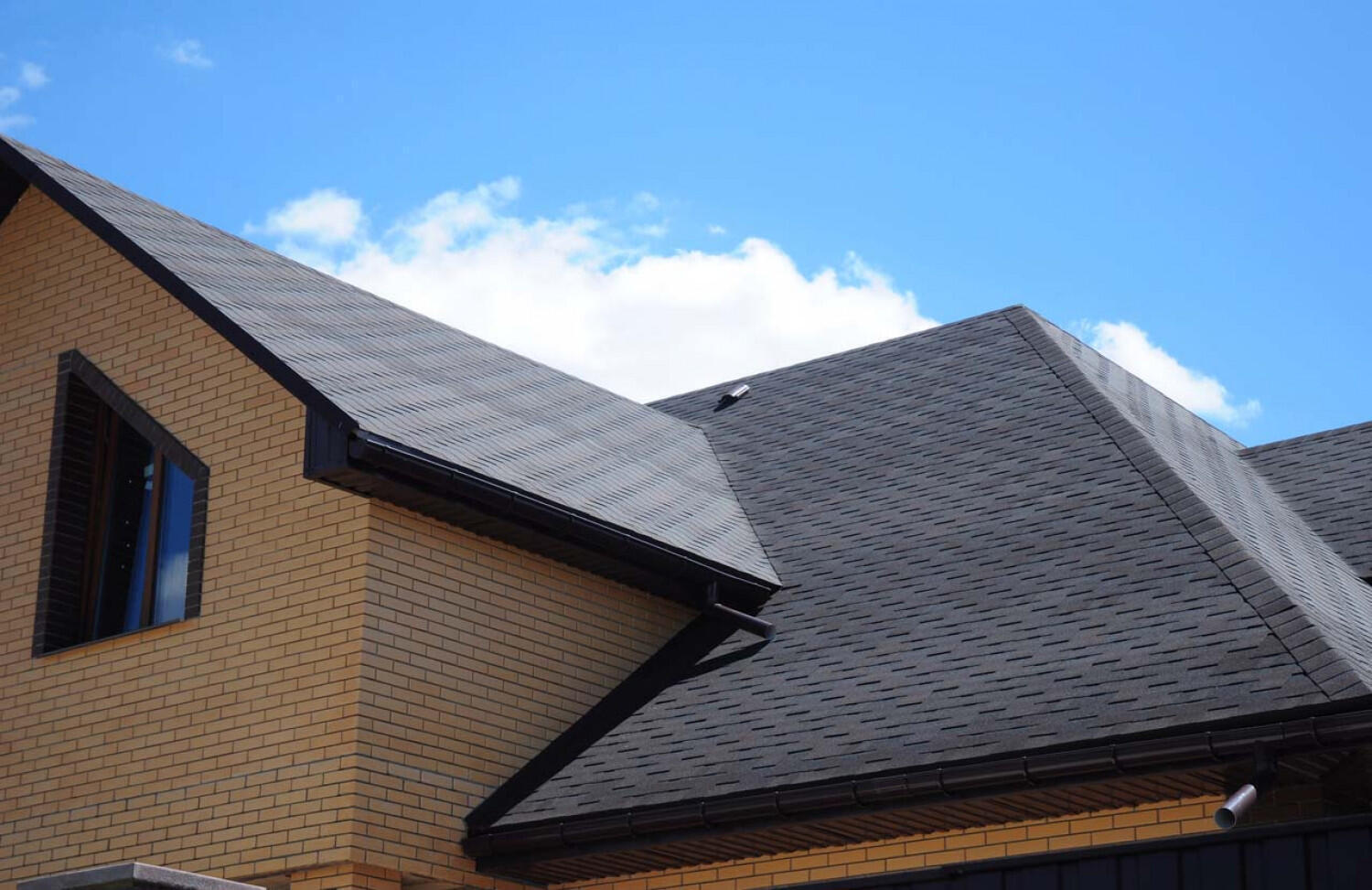
Your home’s roof is arguably one of its most important features. A strong roof keeps the elements out, improves energy efficiency, and is built in a way that promotes longevity. If corners are cut at installation, proper maintenance isn’t done, or warning signs are ignored, homeowners could find themselves needing a new roof sooner rather than later.
At Reliable Roofing, we’ve seen a lot, and we’ve boiled our roofing knowledge down to four key points that we feel are vital for every homeowner to know. Check out our tips and contact us if you’re ready for best-in-class roofing services.
Proper Ventilation Is Essential
Take a step outside and check out your roof–does it have a ridge vent? What about the soffits? Are they vented? The answer should be yes, in both cases.
Your home generates moisture from cooking and showering each and every day. Paired with atmospheric moisture, and without purposefully incorporated ventilation, air can stagnate and moisture and heat can accumulate in your home’s highest point–typically the attic.
Constant, passive ventilation and clear air flow from the soffits, through the attic space, and into the ridge vent ensures consistent temperature regulation and moisture reduction. This helps to greatly reduce the chance of mold, mildew, rot and both shingle and structural damage. But it can also have a positive impact on your energy bills. By maintaining a balanced temperature in the attic or crawl space, adequate ventilation can help to temper seasonal extremes and provide a buffer that saves on heating and cooling costs. It can also reduce the risk of ice dams by equalizing internal and external temperatures during colder months, preventing cycles of melting and refreezing.
With adequate ventilation, attic spaces remain cooler during summer months and drier in the winter. Proper insulation is also a must. It keeps cooled or warmed air in the home, where it belongs and adds to your comfort. At the same time, it prevents the transfer of heat, cold and moisture from the attic into your living spaces. Without this vital barrier, you could deal with moisture buildup, and end up paying a fortune in energy costs.
Streaking and Discoloration Can Be Damaging
The streaking and discoloration you commonly see on asphalt roofs can be caused by algae, natural debris, granule loss due to wear and tear, soot, pollution and environmental factors or even rust from metal flashing. In general, while the discoloration is unsightly and detracts from your home’s aesthetic appeal, it may not be harmful. However, if that discoloration is the result of mold, it’s a different story entirely.
Trapped water can ultimately lead to mold growth, whether the cause is improper insulation and ventilation leading to moisture buildup, improper roof replacement or installation, or general water management issues. If you are seeing green, yellow, or white fuzzy or spongy growth on top of black streaks, it is time to get a professional set of eyes on your roof. Paired with leaks and condensation in the attic, you can almost bet you’re seeing mold. While mold is all around us in the environment, when it colonizes our living spaces, it can spread throughout structures, compromising air quality and pointing to deeper issues.
Left to develop unchecked, mold can spread and become very destructive–it is known to burrow into shingles and destroy them. It can also compromise the structural integrity of your roof, and lead to costly repairs. Mold growth that isn’t dealt with can also lead to insurance issues, as it can signal a lack of maintenance and proactive care. If you’re looking to sell, buyers and real estate agents may shy away from homes with roof issues, especially where mold is involved, because it could point to a systemic infestation and costly remediation.
Beyond keeping your roof free of debris, cutting overhanging limbs, and maintaining gutters and downspouts, starting out with mold-resistant shingles is a must. Before you work with any roofing companies, it is vital to ensure that they use mold resistant shingles. At Reliable Roofing, that’s all we use–we aim to keep your roof looking great for many years to come by careful material selection at the outset.
Leak Prevention Is A Must
Do you have HVAC, sewer, or general exhaust pipes protruding from your roof? If so, these ventilation stacks are probably surrounded by a rubber boot–this is common in our area. They are made to flex with the roof’s expansion and contraction but still maintain a tight fit around the pipe. If installed properly, roof pipe boots are great solutions to allowing gas or water vapor to escape while still protecting the roof from water penetration. However, if installation is sub-par or if the boot itself is old and starting to deteriorate, water leaks and structural damage could be right around the corner.
Roof vent boots are a form of specialized flashing that seals the area around plumbing or ventilation pipes that exit through the roof’s surface. They are often made of rubber, but they can also be made of silicone or various metals. The boot wraps around the pipe but also includes a portion that integrates into the shingles, encouraging water shed and creating a watertight barrier. If any part of the installation is done poorly, or if the boot starts to decay or deteriorate, the barrier is breached and you could start to see discoloration on ceilings and walls, musty odors, or even dripping or running water during very hard rain, especially in areas near plumbing. Take a peek in the attic–if you’re seeing darkened deck boards and mold or mildew around pipe openings, you definitely have a leak on your hands. After time and weathering, rubber pipe boots can start to rot or crack and will need to be replaced. Thankfully, it's an easy and inexpensive fix when compared to roof repair.
Another common source of roof leaks that is common in areas with cold winters is an ice dam. What is this phenomenon? An ice dam forms when attic ventilation and insulation are not adequate. Because no air is cycling through the eaves, the lowest part of the roof remains very cold. Meanwhile, upper portions of the roof are warmer, due to warmth escaping from the home into the attic space. Snow on the top of the roof melts, but as it hits the colder areas it refreezes, especially during overnight hours. As the roof warms the next day, the ice remains, so any melted snow that sheds becomes a pool of water, held behind the ice dam at the bottom. This continual process can allow water to end up infiltrating and traveling back upward, into the shingles and roof deck. Once the roof is breached, you can also end up seeing water damage on walls, ceilings, and elsewhere. Moisture buildup can also lead to issues with mold and mildew.
You can’t guarantee that ice dams won’t form, but you can take some key preventive measures. This includes properly insulating attic spaces and ensuring proper ventilation between soffits and the roof vent, with additional vents or fans as necessary. Using a proper ice guard underlayment at the time of a roof installation or roof replacement is also a must.
Common Signs That It's Time To Replace Your Roof
Your home’s roof probably doesn’t get much thought or attention until something goes wrong. But now is the time–well before you experience leaking or roof failure–that you need to pay attention to what’s going on up there. With a little dedication you can ensure that you are protecting your home and those living inside it.
Here’s what to look out for outdoors:
-
Cracked, curling and missing shingles
-
Moss, mold or algae growth
-
Damaged flashing around vents or chimneys
-
Granules collecting in gutters or downspouts
-
Sagging or uneven rooflines
Indoor signs that it’s time for roof replacement:
-
Water stains, musty smells or peeling paint
-
Sudden, unexplained energy bill increase
-
Structural concerns from water damage
-
Light is visible through roof decking
Other factors that could spell a need for roof replacement include that the roof is reaching or has surpassed its expected lifespan. A roof that is 15 years old is nearing the end of its life. While roofs can last longer, this is a good point at which to start paying closer attention. If you also need frequent roof repairs, or are constantly patching and resealing areas, it may just be time to opt for a total roof replacement.
If you are dealing with hail or storm damage, that is typically covered by homeowners insurance. Otherwise, it falls on the homeowner to find a contractor and invest in roof replacement. If it is time to replace your roof, dimensional shingles from top quality brands like CertainTeed are a great value and a good investment.
Reliable Roofing Is Your Local Source For Roofing Services
Reliable Roofing Inc. is your go-to source for roof repair and roof replacement in Columbia Station, Strongsville, and surrounding communities. We are an established local company offering top quality work and a variety of roofing services–whatever your asphalt shingle roofing needs, we can help.
A new roof is a vital way that you can protect your entire building along with the people who work or live inside. If you need a commercial or residential roofer with experience, you can count on Reliable Roofing Inc. Unlike other roofing companies, we are family-owned and -operated and our dedicated and dependable team aims for complete customer satisfaction. We use only the best, highest quality materials for roof repairs, roof replacements, insurance claims and all of our roofing services. Contact us today to learn more and get started.

Your Old Roof Needs To Go
Reliable Roofing will take care of it.